

Culture
- From
- Jamaica
- Views
- 219,003
- Readers' rating
- 4.1/5 (55 ratings)
01 About
An essential group of the 70s, Culture is now reduced to the sole figure of Joseph Hill, their charismatic leader. The prophetic "Two Sevens Clash" established them in 1977.
Joseph Hill, the charismatic leader of the group, started out in music as a selector for various sound systems in his home town of Linstead (St Catherine, JA). After this experience he joined The Soul Defenders as a percussionist and backing vocalist. They entered Studio One in 1971, where Coxsone asked them to back various singers, among them Joseph Hill himself, who tried his hand at a solo career with the tunes Behold the land and Take me girl. After the Soul Defenders, Joseph Hill joined several line-ups before becoming lead vocalist of The African Disciples. The group was originally founded by Roy 'Kenneth' Paley (aka Kenneth Dayes). Kenneth first approached his friend Albert 'Ralph' Walker, who introduced his cousin as a potential third member, a certain Joseph Hill. The African Disciples caught the attention of Joe Gibbs. They recorded their first three tunes, Jah Jah See, This Train and Baldhead Bridge. Hearing their music, deeply inspired by Africa, black power and Rastafari, Blacka Morwell (sound engineer for Gibbs) renamed them Culture. Culture's first tune, This time, was recorded by Errol Thompson for Joe Gibbs (Belmont label). They quickly made their mark with hit singles such as See them a come and the unforgettable apocalyptic, prophetic Two Sevens Clash in 1977, which led to the release of the album of the same name. Amid the punk/reggae crossover, Culture gained a wide audience in the United Kingdom.
Frustrated with their contract with Joe Gibbs, the trio decided to record for Duke Reid (Treasure Isle). They began work on a new album, "Africa Stand Alone" (which was never really completed). At the same time, Gibbs capitalised on the group's success and, drawing on the "Two Sevens Clash" sessions, released two albums: "Baldhead Bridge" and "More Culture". At the end of 1977, Culture signed with Virgin (Frontline) and joined Sonia Pottinger's High Note label. The group kept up its reputation with three albums in two years. "Harder than the rest" (featuring the huge Stop the Fussing & Fighting) came out in 1978, the year Culture played the One Love Peace Concert. "Cumbolo" (which closes with Natty Never Get Weary) and "International Herb" followed in 1979. Culture did a much-noticed UK tour, backed by the Revolutionaries (Sly & Robbie).
The group split in 1982, just as the album "Lion Rock" was released. Walker and Dayes then recorded separately for Henry 'Junjo' Lawes. Culture re-formed in 1986 and returned with the albums "Culture at Work" and "Culture in Culture". Their career seemed to be back on track, and Culture did not disappoint their roots audience at a time when digital was king. The albums "Nuff Crisis" and "Good Things" were well received and, with "Three sides to my story" in 1991, Culture tried (with mixed success) more modern sounds. "Wings of a dove" would be the last album with Kenneth, who left the group for good in 1993 to go solo as Kenneth Culture.
Joseph Hill enlisted the services of the backing band Dub Mystic, whose singer (Ire Lano Malomo) became the third member of Culture. Ire Lano Malomo appeared on two albums ("One Stone" and "Trust Me") before being replaced in 1999 by veteran singer Telford Nelson. The latter appeared in 2000 on the album "Pay Day". The group eventually came down to Joseph Hill alone, who decided to keep the name Culture. He released the album "Humble African" (Fat Eyes) in 2001, then "World Peace" in 2003. Particularly appreciated for his live performances (4 official live albums), Joseph Hill built a solid reputation as a singer but also as an elder Rasta. Kenneth, for his part, also lives from music, mainly from dubplates and royalties on his own 45s. He runs his label "Cork day" with his wife. Faithful to Rasta and militant themes and deeply inspired by the Bible, Culture's repertoire is reminiscent of conscious artists such as Burning Spear, The Abyssinians or Black Uhuru.
02 Discography
| Year | Cover | Title | Label | Review |
|---|---|---|---|---|
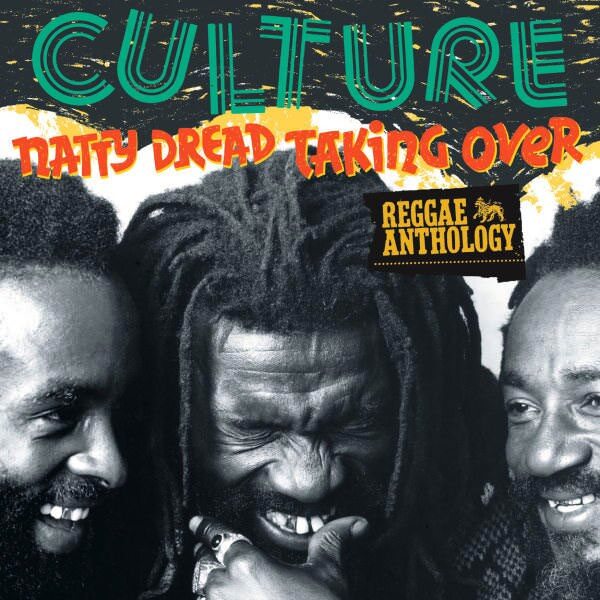
| 2012 | Natty Dread Taking Over | VP Records | ||
| 2011 | Culture at Joe Gibbs | 17th North Parade | ||
| 2008 | At Joe Gibbs 1977-1979 | VP Records | ||
| 2008 | Roots & Culture | 17 North Parade | ||
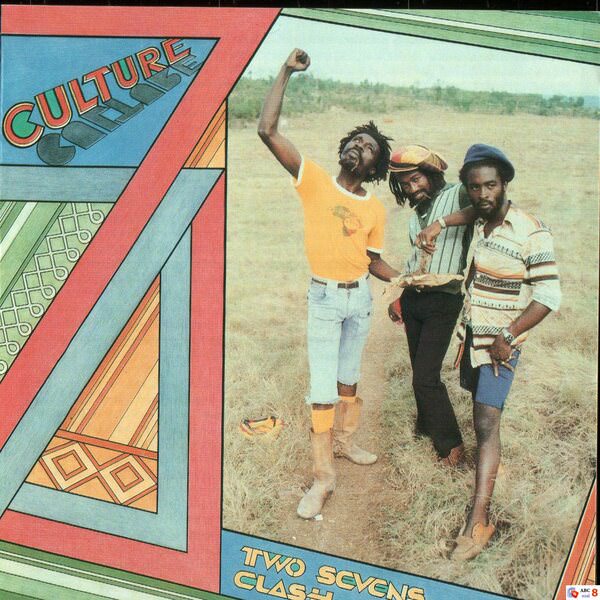
| 2007 | Two Seven Clash (30th Anniversary Edition) | Shanachie | ||
| 2007 | Raw Truth Extended Play Ft Big Youth & Daddy Rings | Ababa Jahnoy | ||
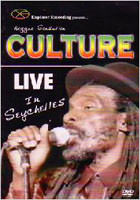
| 2005 | Live In The Seychelles | Explorer |


03 Culture in the news




Comments
Average rating: 4.1 out of 5, 55 votes
57 archived comments, closed since 2016.
- BIG UP CULTURE.
- Le lion ne meurt jamais ... Jah Know À tout les fans du Reggae Respect et. Amour pour. Tous et sacher que rasta ne meurt jamais .. Seul les croque miltaines qu'ils parle des morts .... Jah bless
- J'ai assisté aux 02 concerts du groupe CULTURE à Abidjan en Semptembre.Après le 2ème concet au parc des sports il a dit:''Je ne sais pas pourquoi je ne suis pas venu à Abidjan depuis lgts,c'est un lieu de Busyness.Je reviendrai en 2006.Helas la mort a frappé.C'est le meilleur chanteur de reggae
- tha first rocker reggae culture
- >fieuh sui la le vré !!!!!! LION ROCKS !!<
>R.I.P joseph hill
On the forum: search “Culture” in the forum archive ›